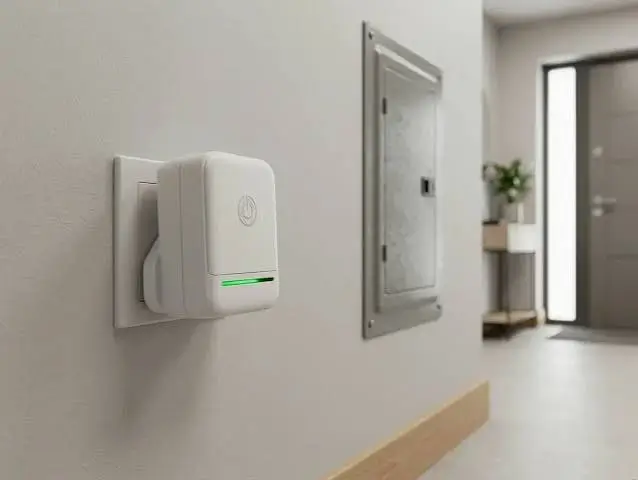
"Honestly the easiest thing I've installed all year. The kitchen lights don't flicker like they used to, and I like being able to see the green light is on."
Nick Wright· via X
Home energy review · 2026
We looked past the marketing to see what this plug-in device can realistically do for flicker, hum, surges and your monthly bill, and what to check before you buy.
12 min read · By The Wattage Ledger editorial team
Quick verdict
A simple, low-risk way to steady household power and cut down on electrical noise. Treat bill savings as something to measure, not assume.
Best for
Flicker, hum & small surges
Setup
Plug in, about 30 seconds
Risk
60-day money-back
Start here
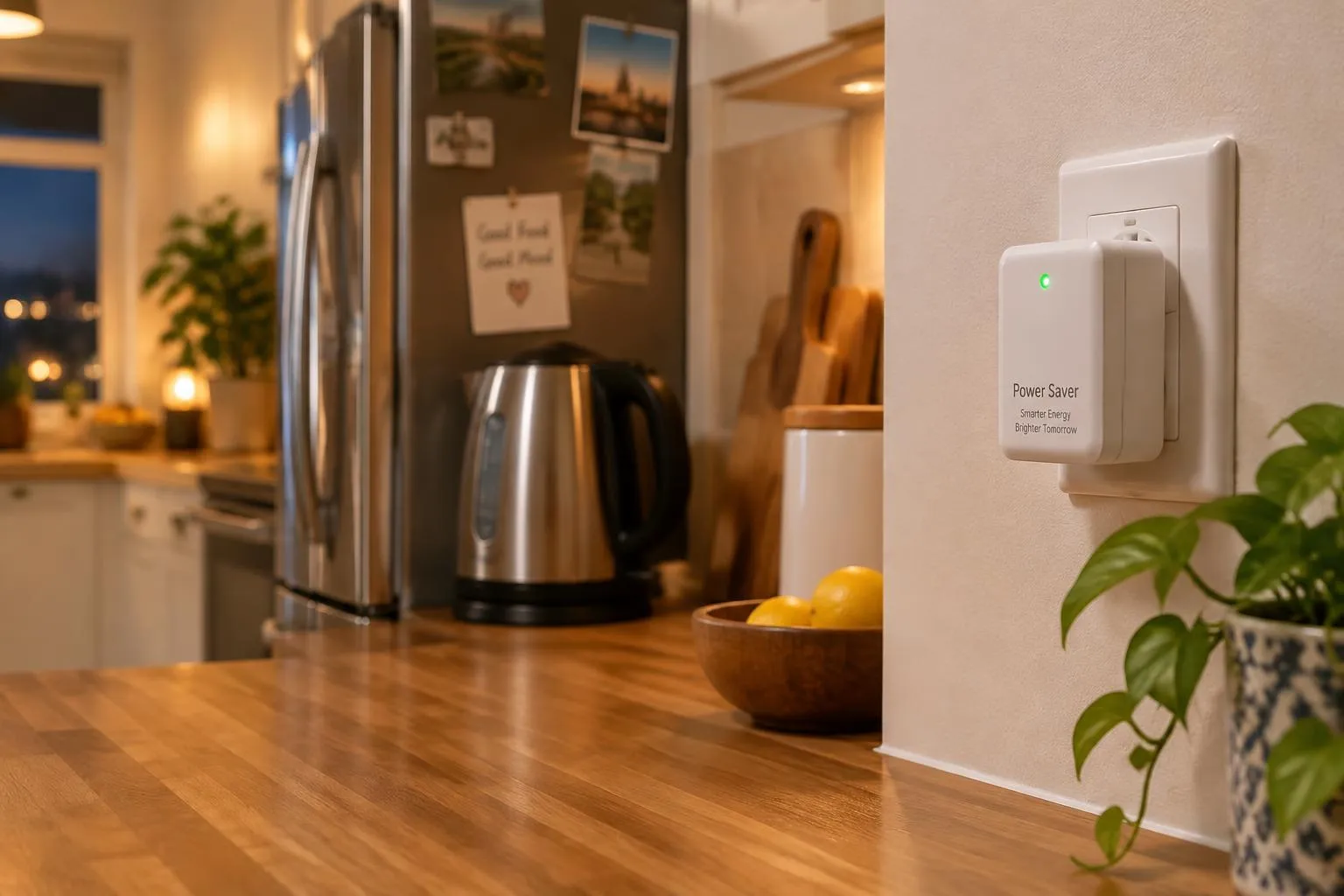
Most of us only think about electricity once a month, when the bill shows up. But the current running through your walls is rarely as smooth as the number on that bill suggests. Every time the air conditioner kicks in or the fridge compressor wakes up, the line sags for a split second. Phone chargers, LED bulbs and laptop bricks add their own high-frequency chatter on top of that.
You notice it in small ways: a ceiling light that flickers when the microwave starts, a faint buzz from the speakers, a fridge that seems to hum louder at night. None of this is dramatic, and it isn't dangerous on its own, but it is a sign that your home's power quality isn't perfect. Older wiring tends to make it worse.
That's the gap ZeroWattic is built for. Rather than promising to generate savings out of thin air, the device is pitched as a way to steady the current at the outlet, quieten the electrical noise and take the edge off small surges. Whether that turns into a lower bill is a separate question, and we'll look at it honestly further down.
Spec sheet
| Product | ZeroWattic Power Saver |
|---|---|
| Type | Plug-in residential power conditioner |
| Main job | Steadies voltage and filters electrical noise at the outlet |
| Core parts | Capacitor bank, magnetic filtering, surge buffering |
| Compatibility | Standard 110V North American outlets only |
| Installation | Plug in, no tools, no wiring changes |
| Indicator | Green LED shows the unit is powered |
| Guarantee | 60-day money-back (check seller terms) |
| Reported rating | 4.7 / 5 on the official store |
| Where to buy | Official ZeroWattic store |
Product overview
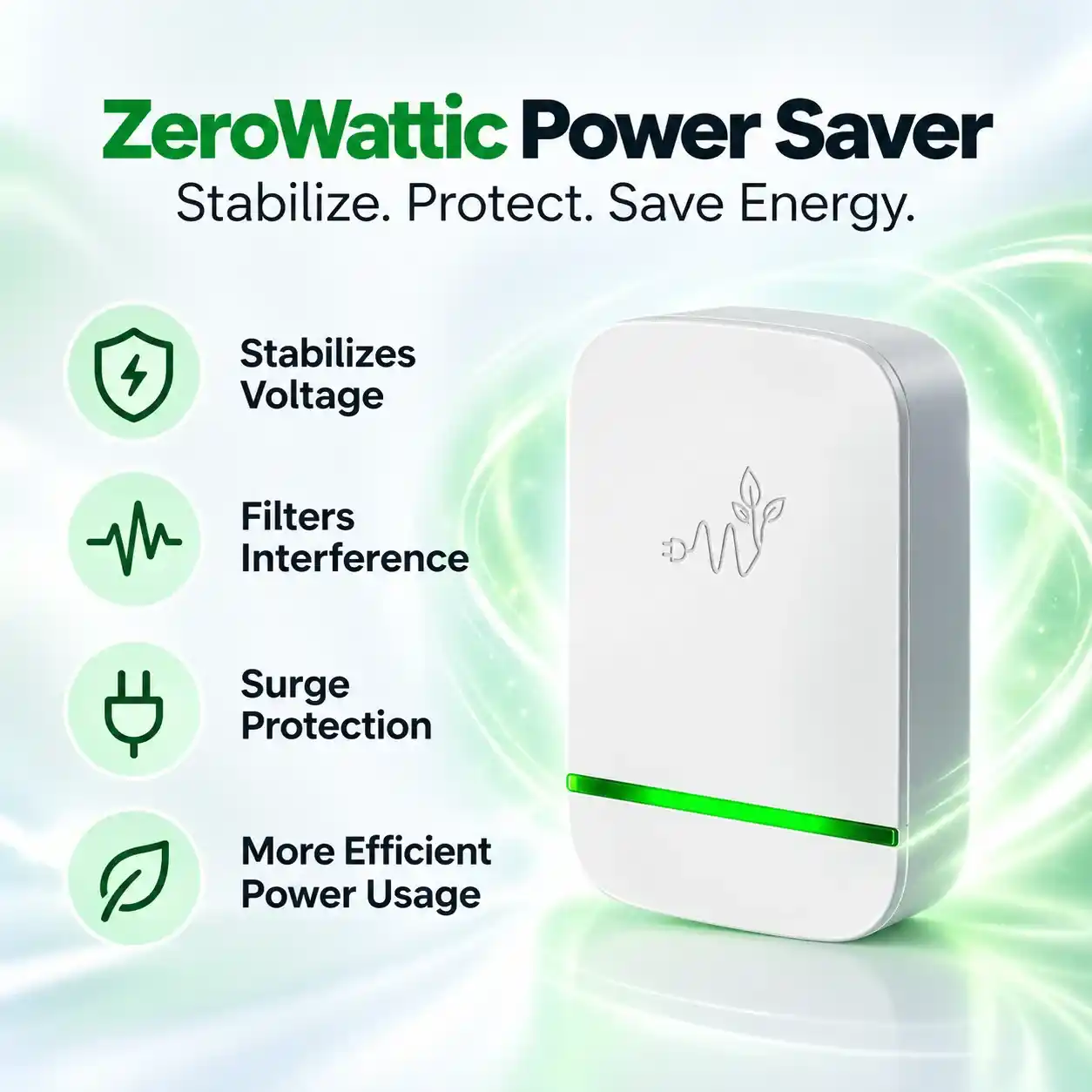
ZeroWattic is a small, white plug-in box about the size of a phone charger. It sits in a regular wall socket, lights up green, and from then on it simply works in the background. There's no app, no pairing, no settings to fiddle with, and nothing to maintain.
Its purpose is power conditioning: smoothing out minor voltage swings, soaking up small spikes and filtering the electrical "noise" that appliances leave on the line. It acts locally, on the circuit it's plugged into, which is why bigger homes are usually told to use more than one.

Worth knowing
ZeroWattic is presented as the newest generation of StopWatt. The core idea is the same plug-in, energy-focused concept, but it now ships under a new name with updated internals. If you've read about StopWatt before, you already know the general approach.
Under the hood
Take away the brand names and ZeroWattic relies on a handful of well-known electrical ideas. None of them are new; what the product does is pack them into a passive plug-in housing anyone can install.
Electricity Stabilizing Technology is the marketing name for the circuitry that evens out unsteady current on the line.
Capacitors store and release tiny amounts of energy, filling in brief dips and absorbing short spikes.
Aimed at high-frequency interference (EMI) from chargers, LED drivers and motors.
Described as reducing harmonic distortion and compensating reactive power for a cleaner waveform.
Put together, the aim is a calmer, more consistent supply for whatever is plugged in near the unit. Think of it less as a "battery" or "booster" and more as a shock absorber for your outlet.
A new perspective

This is the question everyone really wants answered, so here's our straight take. The maker says ZeroWattic improves efficiency and cuts wasted power, which in turn supports lower consumption and smaller bills. That's the claim.
The context buyers rarely get: a typical home meter bills you for real power, measured in kilowatt-hours (kWh). Much of what power conditioners work on, such as reactive power and line noise, affects how cleanly electricity behaves more than how much of it you pay for. Utilities do bill some commercial customers for poor power factor, but most households aren't charged that way.
So we'd keep expectations sensible. The most believable benefits are steadier voltage, less hum and flicker, and some extra cushioning for your electronics. Any savings on the bill should be treated as a possible bonus that you check for yourself, not a guarantee.
Potential benefits
Less flicker when big appliances cycle on and off.
Capacitors help buffer small spikes from the grid and motor start-ups.
Filtering targets the buzz and hiss you can hear in audio gear.
Works in any standard 110V socket. No electrician, no tools.
A green glow tells you at a glance that the unit is active.
Compact enough to leave a second socket free; easy to add more units.
Is it for you?

Good fit
Probably skip it if
Setup
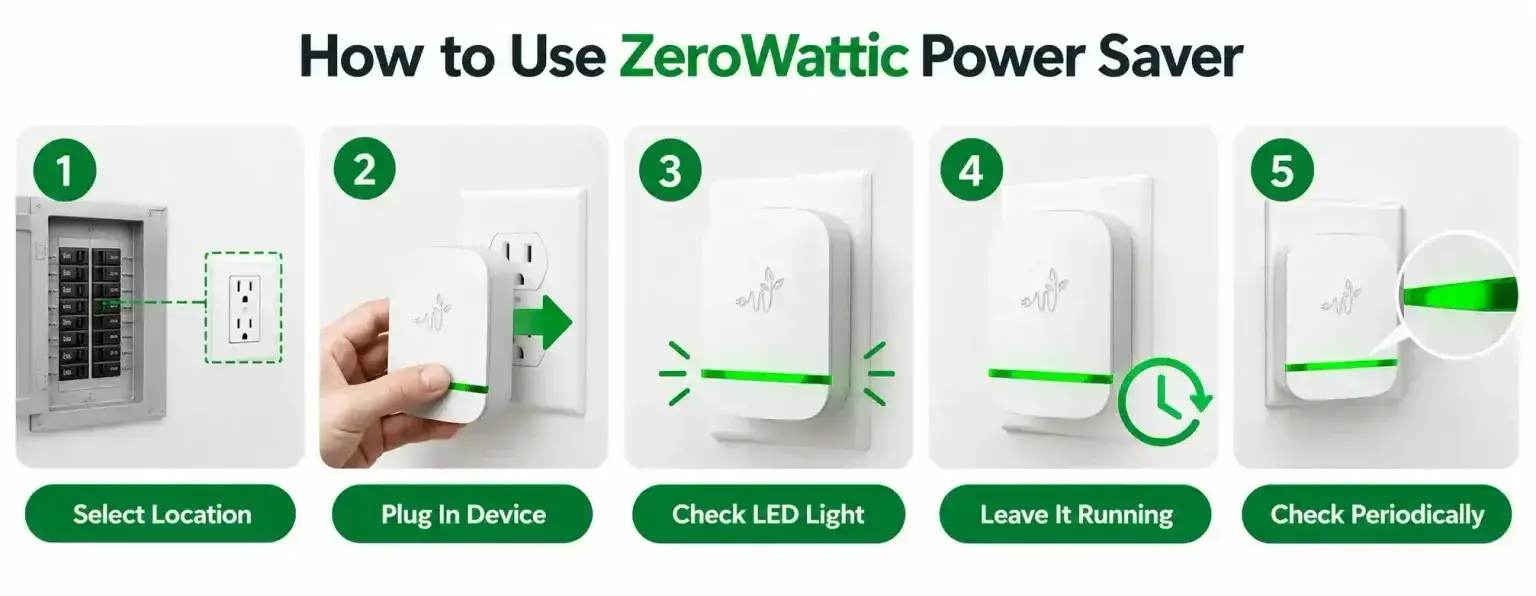
Use a socket near your breaker panel or close to your heaviest appliances.
Push it fully into a standard 110V wall socket so the prongs sit flush.
The LED should light straight away. That's the only setup there is.
It's designed for continuous use, so there's no need to switch it off.
Glance at the light occasionally; store spare units somewhere dry.
Safety first
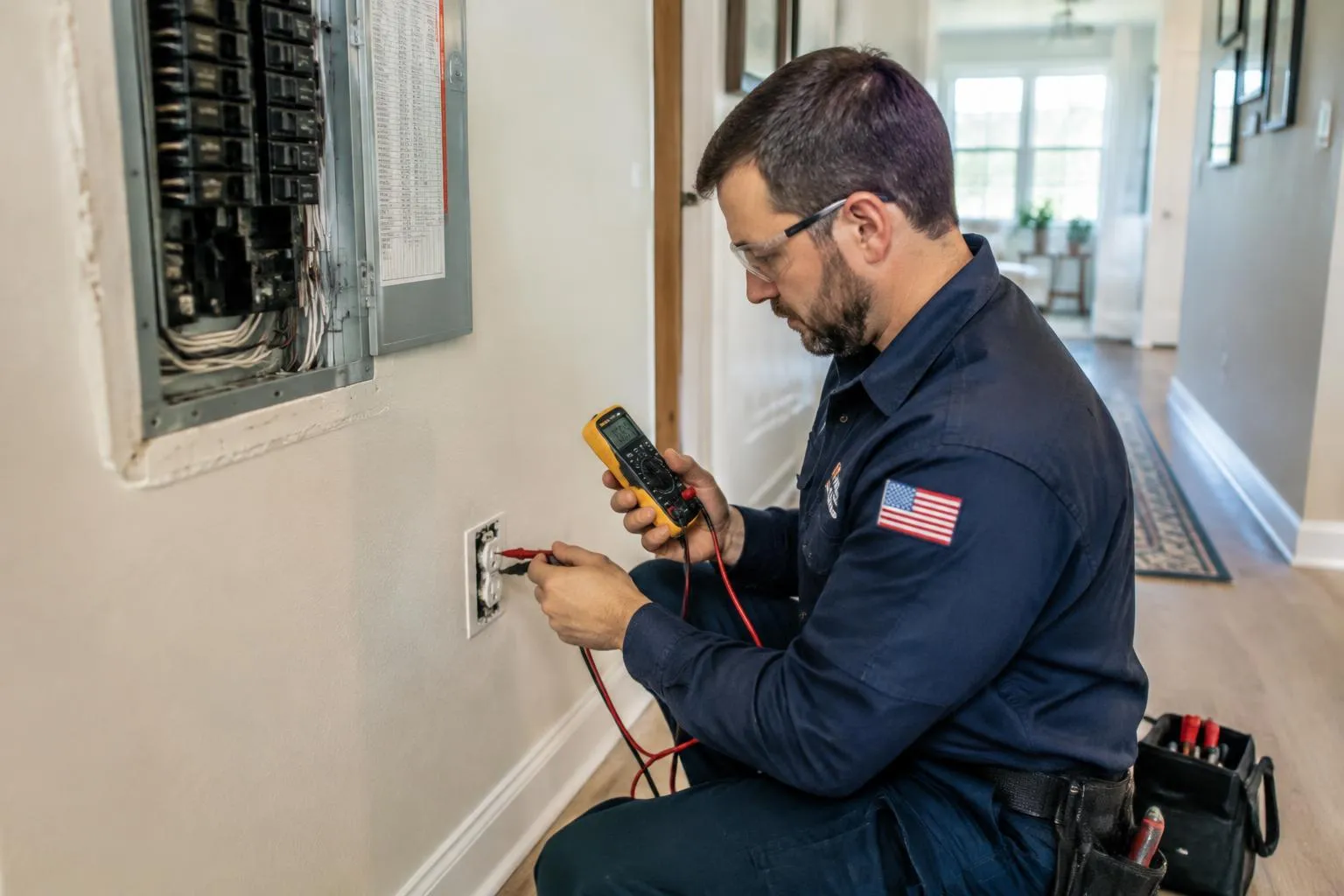
A passive plug-in device is low-risk when it's used as intended, but it's still something that lives in your wall 24/7. A few common-sense rules go a long way.
Balanced view
Buyer feedback
These comments are paraphrased from customer feedback published on the seller's and third-party review pages. We haven't independently verified each buyer.
"Honestly the easiest thing I've installed all year. The kitchen lights don't flicker like they used to, and I like being able to see the green light is on."
Nick Wright· via X
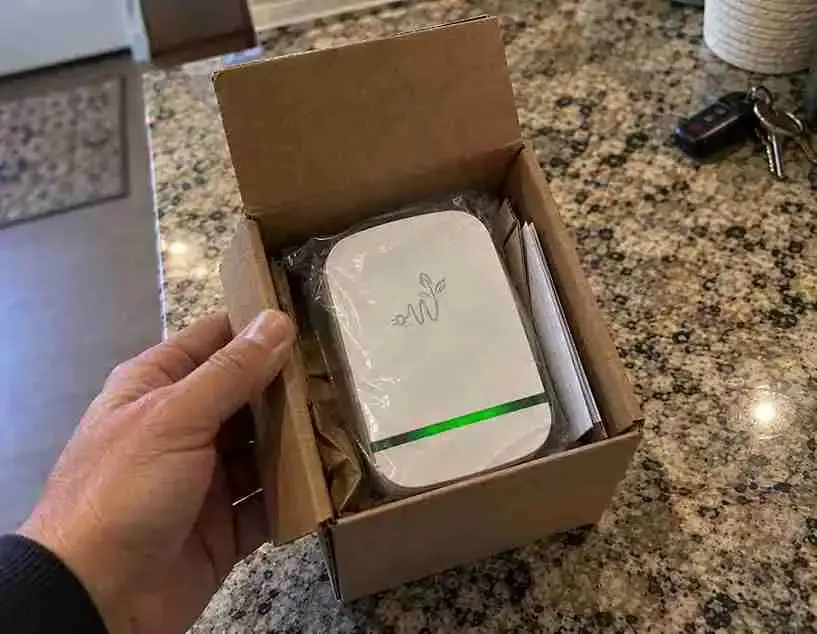
"Bought it for my home theater. The faint buzz from the speakers is gone and movies sound cleaner. Nicely packaged, too."
Christopher Miller· via Walmart
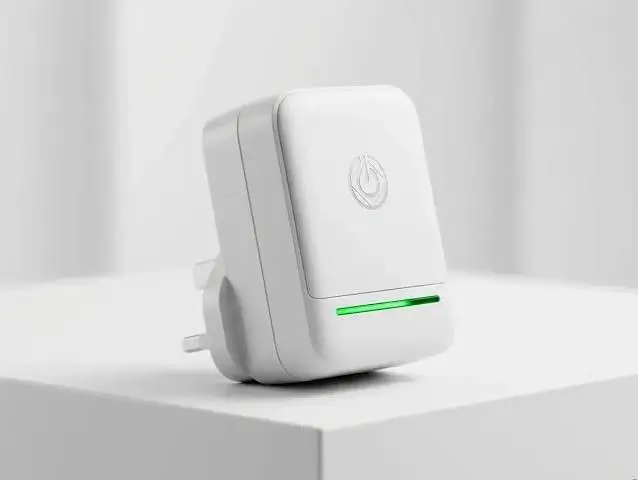
"I work around electrical systems, so I was skeptical. Build quality is better than some alternatives I've opened up, and the local filtering is noticeable."
Megan Allen· via Quora
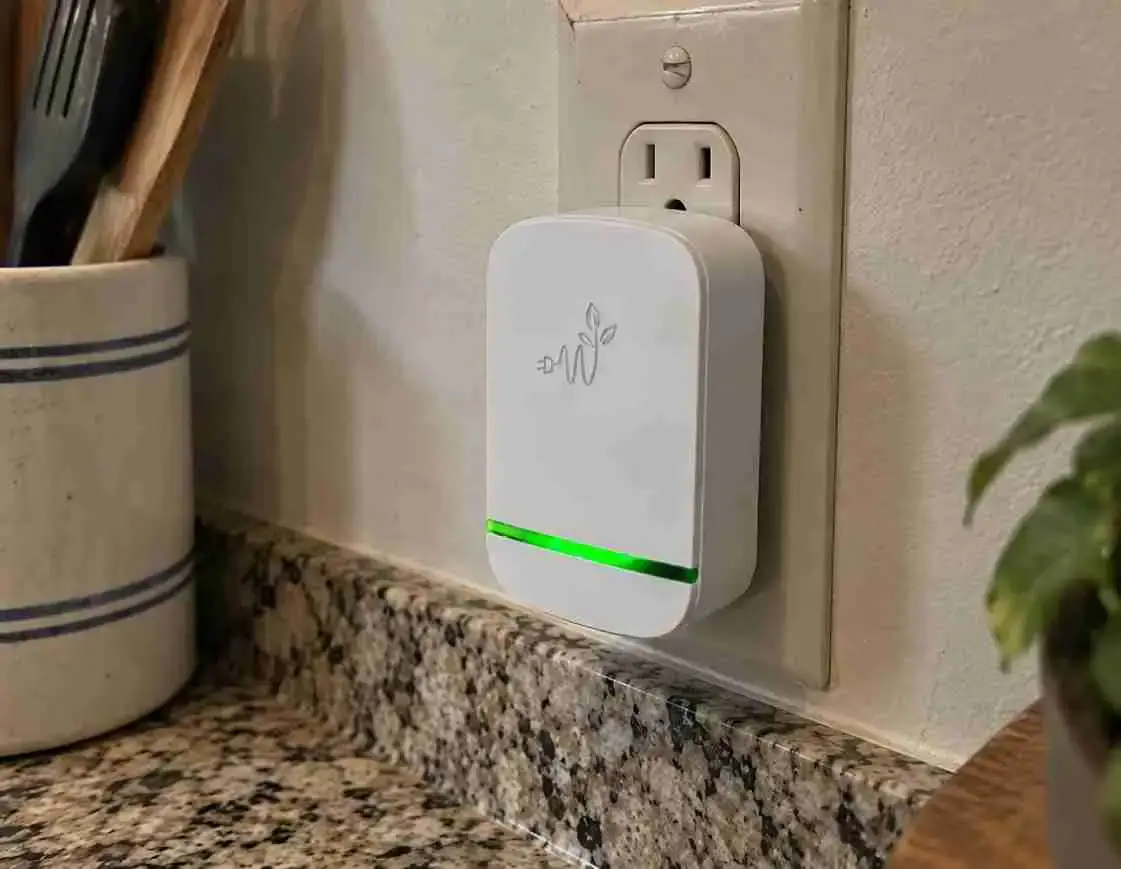
"No tools, no fuss. My bill looked a little lower this month, but the bigger win for me is the peace of mind on surges."
Isabella Richardson· via Facebook
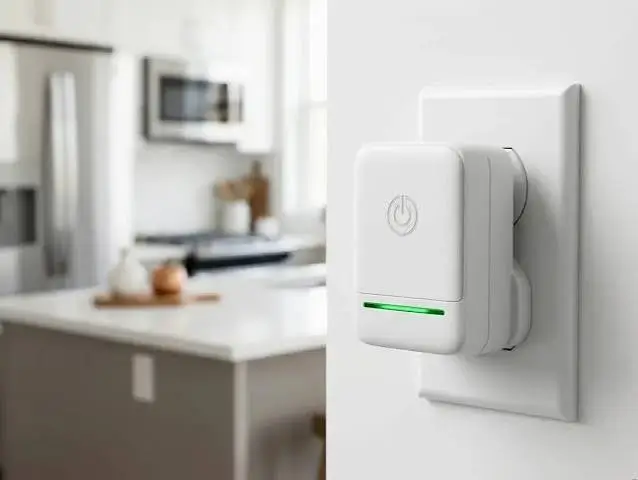
"Three weeks in with two units. My old fridge used to make a weird buzzing noise at night, and that's stopped."
Joshua Hall· via Instagram
Around the web
Figures as reported by the seller and reference reviews; they may change over time.
Packages & pricing
Because each unit works on the circuit it's plugged into, the seller sizes packs by home size. Here's the current lineup, smallest to largest.
Small home · 800–1,200 sq ft
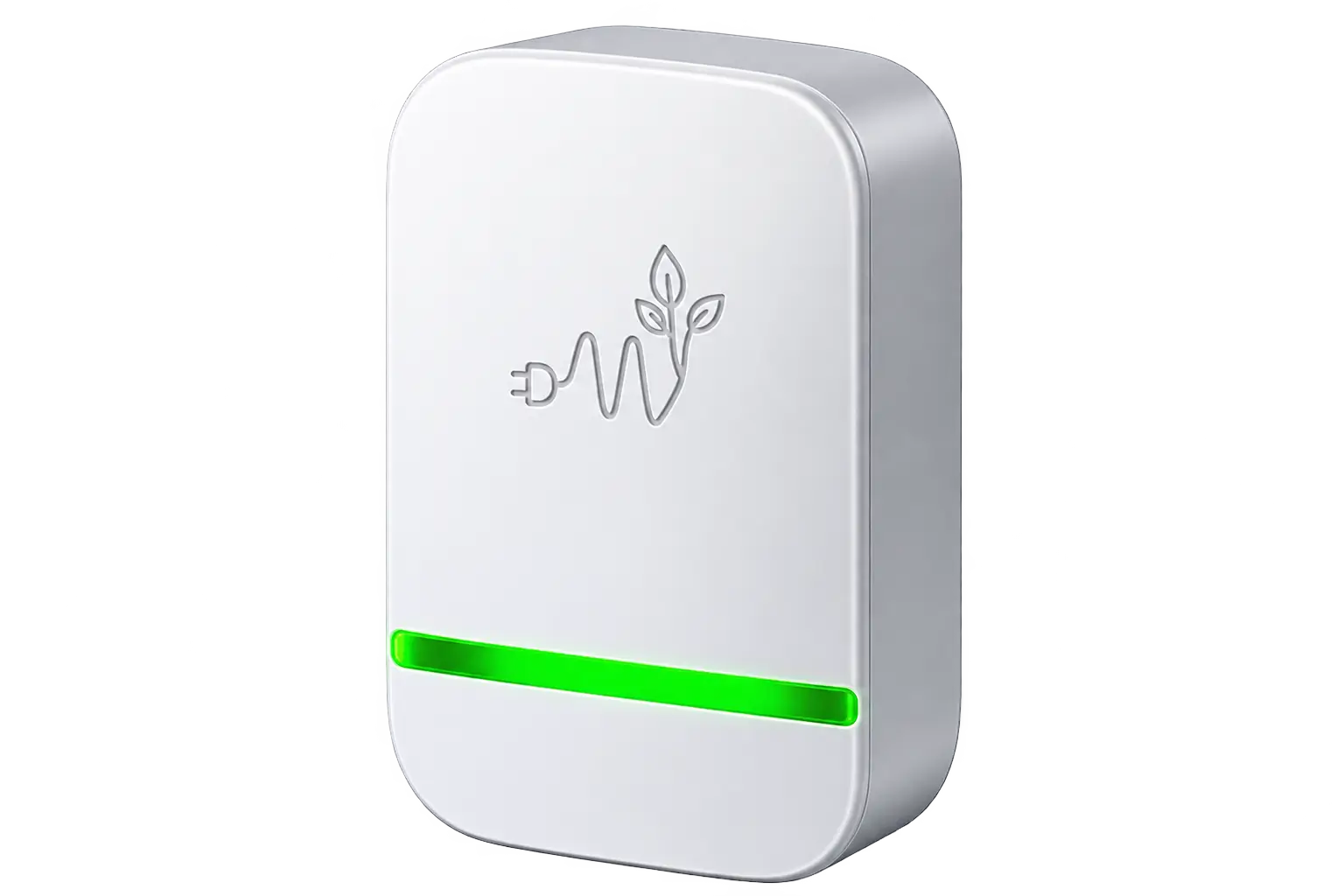
$98.00
$44.10
Save $53.90
Fast shipping available
Medium home · 1,200–1,500 sq ft
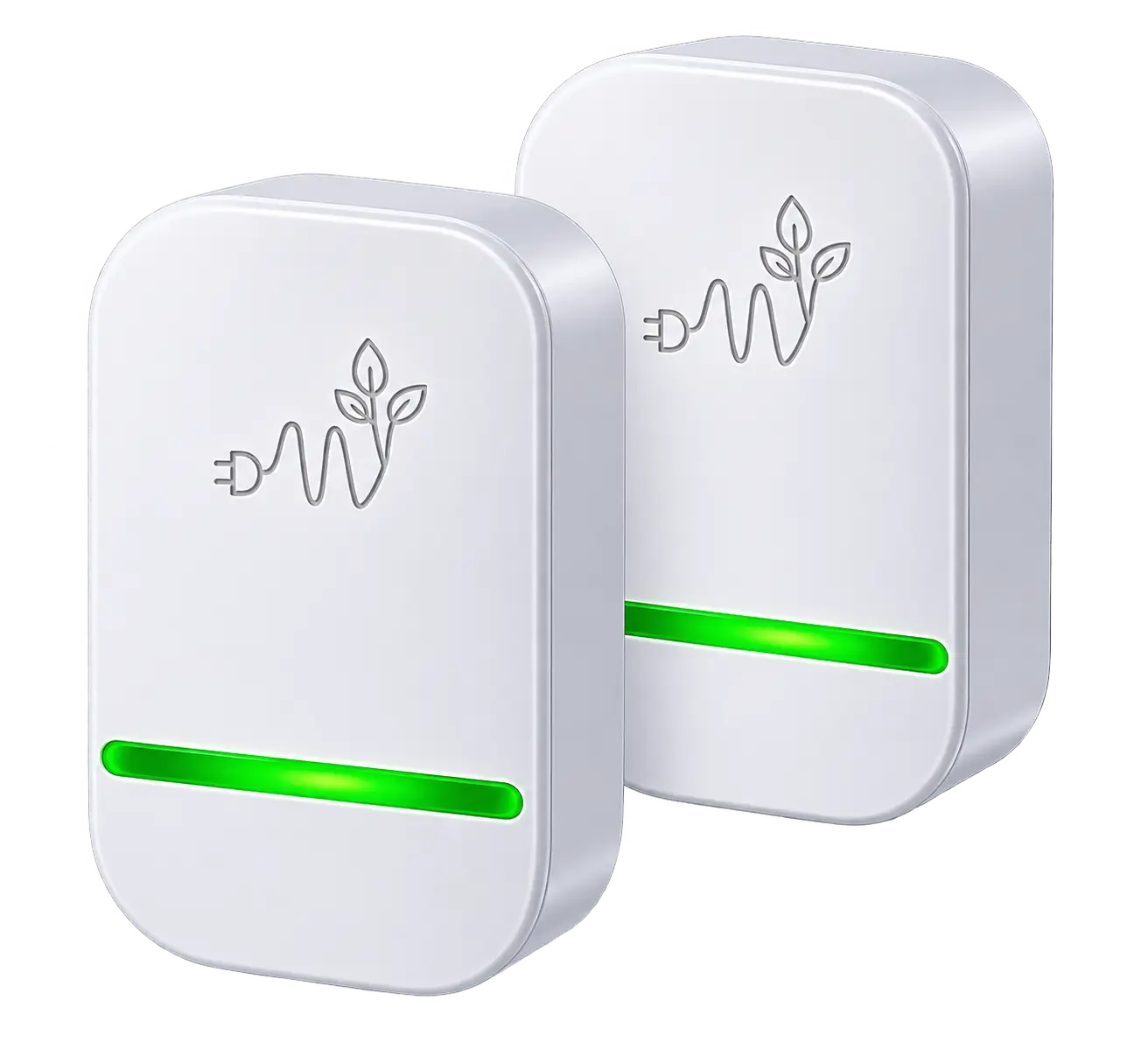
$196.00
$88.20
Save $107.80
$44.10 per unit
Fast shipping available
Large home · 1,500+ sq ft
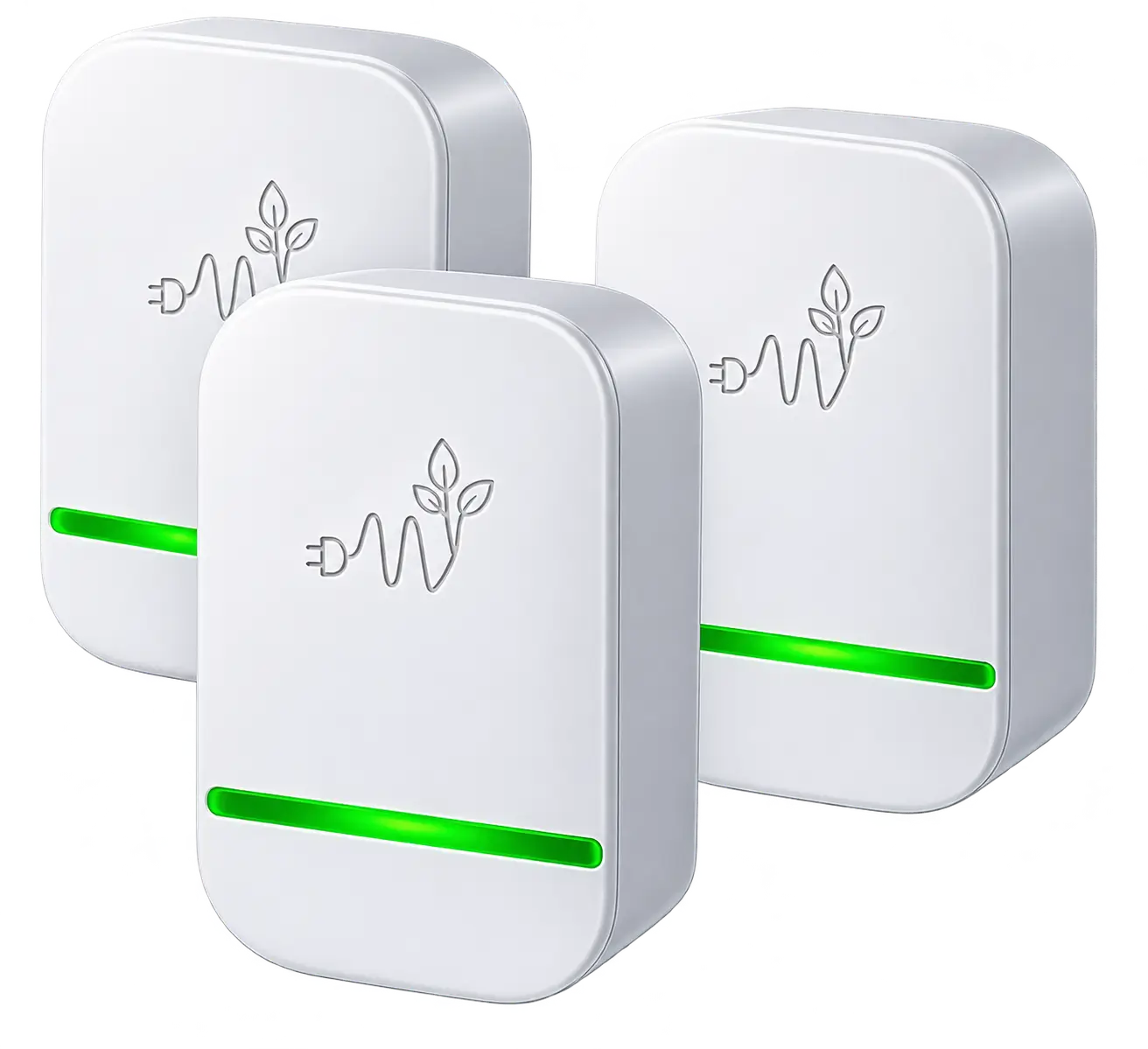
$294.00
$105.84
Save $188.16
Only $35.28 per unit
Fast shipping available
Prices and discounts are taken from the seller's checkout and can change at any time. Always confirm your final total before paying.
What buyers should know
Based on what we've reviewed, it's a real product shipped by a real seller. Most scam complaints we came across traced back to look-alike listings on unofficial marketplaces, not the official store. Before you pay, make sure you're on the genuine offer page and read the return policy in full.
Not convinced? You can return it within 60 days of delivery for a full refund. Keep your order details and confirm the exact return steps at checkout.
Common questions
Final verdict
ZeroWattic isn't a magic switch for your power bill, and we'd be wary of anyone who says it is. What it does offer is a cheap, reversible way to tackle the everyday annoyances of imperfect household power: flickering lights, humming appliances, buzzing speakers and small surges.
It takes seconds to install, the three-pack brings the price down to about $35 a unit, and the 60-day guarantee means you can test it in your own home, bills included. If steadier, cleaner power is what you're after, it's an easy experiment to run.